NYC Offices

Miami Offices

CO2 Laser Resurfacing
in NYC, Long Island & Miami

What Is CO2 Laser Resurfacing?

CO2 laser resurfacing is an ablative treatment that uses a carbon-dioxide laser to remove thin layers of damaged surface skin. Energy is absorbed by water in the tissue, allowing precise vaporization of the outer epidermis and heating of the dermis. Clinicians have long used this approach for etched lines, sun-worn texture, acne scarring, and uneven tone.
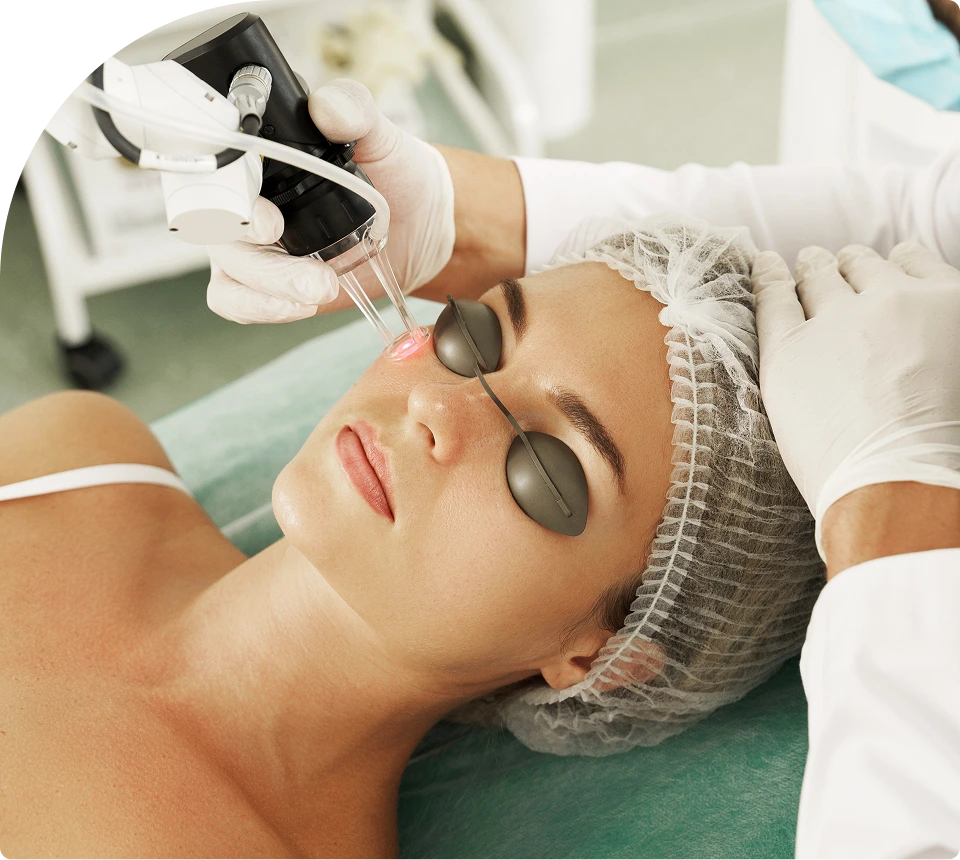
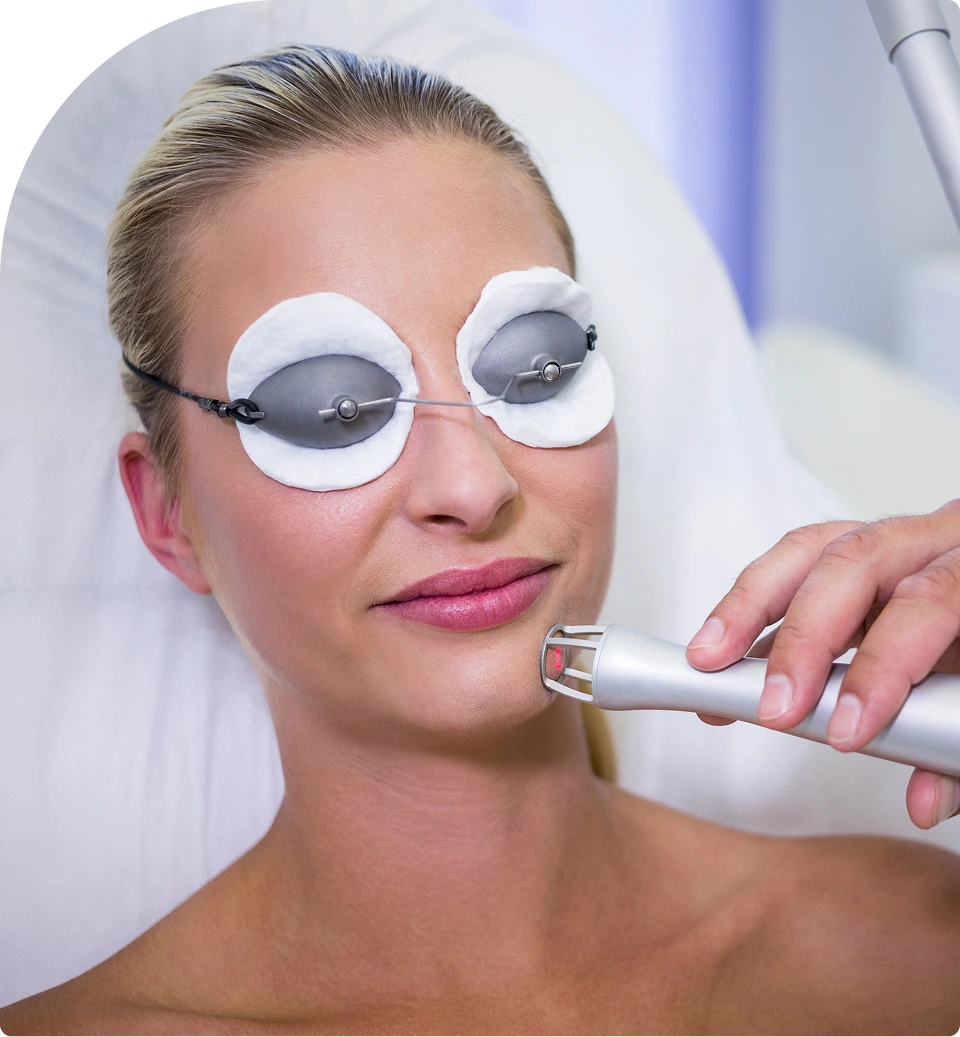
Aesthetician performing CO2 laser resurfacing on patient's face with protective eyewear

Before and After Results

How CO2 Lasers Work?

A CO2 device emits infrared light at a wavelength strongly taken up by water. When that beam meets the skin, water in the cells turns to vapor and the targeted layer is cleared. Heat then reaches deeper collagen; over subsequent weeks, fibroblasts reorganize that collagen, which is why tightening and smoothing often continue after the surface has healed.

Benefits of CO2 Laser Treatment

People who complete a well-chosen CO2 course often describe skin that looks clearer in photos and makeup that sits more evenly. Fine creases around the mouth and eyes can look softer. Brown sun spots, rough patches, and shallow acne scars may look less prominent as the old surface sheds.

Is CO2 Laser Resurfacing Right for You?

The right choice depends on how much change you want, how much downtime you can protect, and how your skin historically responds to injury and pigment. A deep wrinkle field or widespread sun damage is the classic reason someone researches CO2. If your calendar cannot absorb peeling, redness, and strict sun avoidance, a staged, non-laser plan may serve you better.
Strong candidates are generally in good health, not pregnant, and able to follow aftercare with discipline. They often have noticeable texture change, creasing, or sun damage and accept that healing is part of the result. Lighter-to-medium complexions are discussed more often in classic CO2 literature because the risk of darkening or lightening can rise in deeper tones, though assessment is always individual.


Who Should Avoid Treatment

CO2 laser is commonly deferred during pregnancy and breastfeeding, with active infection, open facial wounds, or uncontrolled inflammatory skin disease. A history of abnormal scarring, including keloids, deserves extra caution. Recent isotretinoin, ongoing photosensitizing medication, and a fresh tan or self-tanner raise complication risk.

Preparing for CO2 Laser Resurfacing

Typical preparation, where CO2 is performed, starts weeks ahead. Arrive with a clean face, a driver if sedation or strong medication is used, and a clear calendar for the first week.

The CO2 Laser Resurfacing Procedure

In a typical CO2 setting, the clinician photographs the skin, reviews consent, and cleanses the face. Topical anesthetic is applied; some practices add nerve blocks or oral medication for full-field work. Eye shields protect the globe.
At James Christian Cosmetics, your in-office CO2 laser resurfacing experience follows this same general protocol, personalized to your skin and treatment plan during your consultation.

What Happens During Treatment

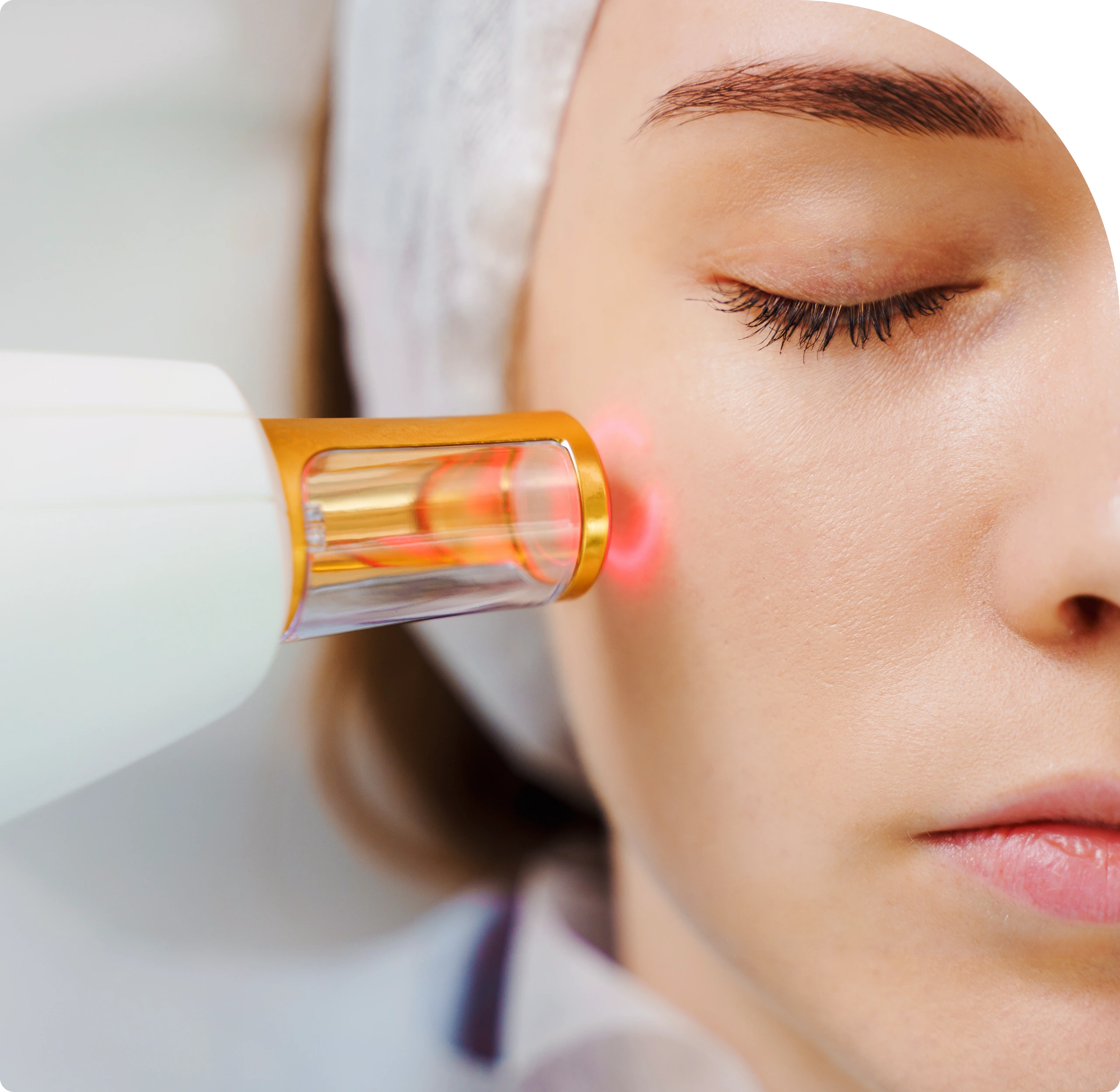
During a CO2 pass, patients often feel intense heat, snapping, or a rubber-band sting despite numbing. Smoke evacuators hum; the smell of vaporized tissue is common. You may be asked to stay still while small zones are completed, then pause so the skin can be cooled.
Patient wearing protective eyewear receiving CO2 laser resurfacing treatment to the face

CO2 Laser Recovery and Aftercare

Ablative CO2 recovery is measured in days to weeks, not hours. The first 48 hours are about swelling, oozing, and keeping the barrier covered with ointment. Peeling and bronzing follow as new skin emerges; redness can linger for weeks, especially after deeper settings, and makeup is usually delayed until the surface is intact.

Expected CO2 Laser Resurfacing Results

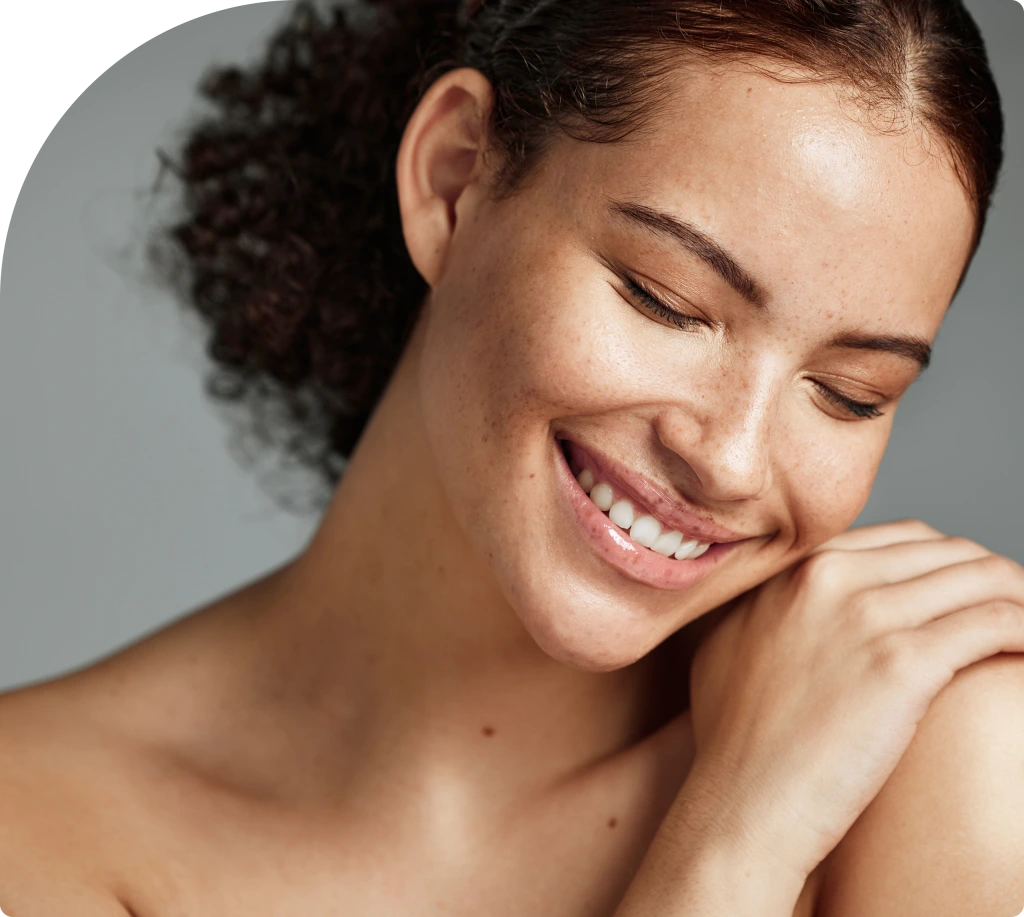
Once peeling finishes, skin often looks brighter and more even, with makeup sitting more smoothly. Lines that were etched into sun-damaged surface may look reduced, and scar edges can blend more kindly. The collagen phase continues quietly, so firmness may improve for months after the calendar says you are “healed.”
Woman with smooth, glowing skin smiling while cupping her face with both hands

CO2 Laser Resurfacing Cost in NYC, Long Island, and Miami

The cost for a full-face CO2 laser resurfacing commonly falls in the $2,000–$6,000 range in NYC, Long Island, and Miami, with smaller zones lower and deeper or combined plans higher. Pricing varies by provider, anatomy, and treatment plan; a consultation with James Christian Cosmetics will confirm your exact quote.

Why Choose James Christian Cosmetics?

James Christian Cosmetics now offers CO2 laser resurfacing alongside our full menu of treatments. What we offer is a clear, consult-first path to your goals – smoother texture, healthier-looking glow, and balanced facial features – using the treatment that truly fits your skin.
James Christian Cosmetics team of five standing outside storefront 104 with floral entrance

Frequently Asked Questions (FAQ)

They are not the same tool. A peel uses controlled acid to renew the surface. Collagen Buffing Microneedling creates micro-channels that support collagen. Many patients choose them when they want texture and glow with a recovery that matches work and social plans. A consultation decides if that is enough for your skin.
Tell us dates, settings if you know them, and how you healed. We can help plan next steps, whether that means CO2 laser resurfacing with our team or maintenance.
Many patients see meaningful change after a single well-planned session, since CO2 is generally more intensive than lighter resurfacing options. Whether one session or a staged plan is right for you depends on your skin and goals, which we confirm during consultation.
Have More
Questions?

Have More Questions?

At James Christian Cosmetics, we offer a highly informative free consultation during which you will get an opportunity to learn a lot more about Morpheus8. We will review your medical history and listen to your cosmetic goals to design a personalized treatment strategy to help you feel and look your best.