

NYC Offices
Miami Offices
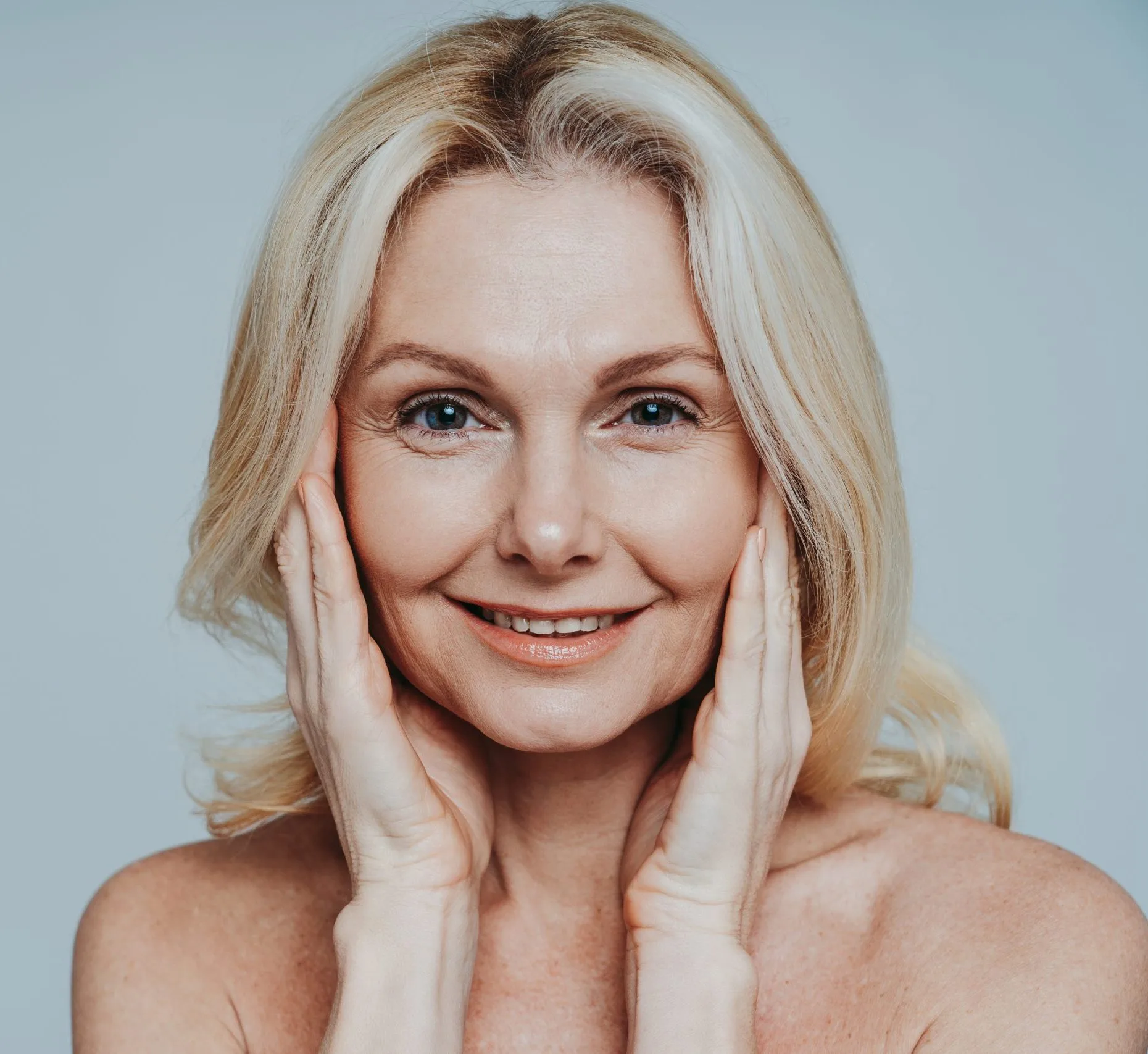
If you stop getting Botox, your treated muscles gradually regain their normal movement over a few months, and the dynamic wrinkles Botox was softening slowly return to how they looked before treatment. You will not “wake up” with deeper lines or age faster overnight – your face simply resumes its natural aging process from the point where it was “paused.”
At James Christian Cosmetics, we view treatments like Botox as part of a long-term aesthetic journey. Understanding exactly what happens if you take a break helps you make a confident, informed choice.
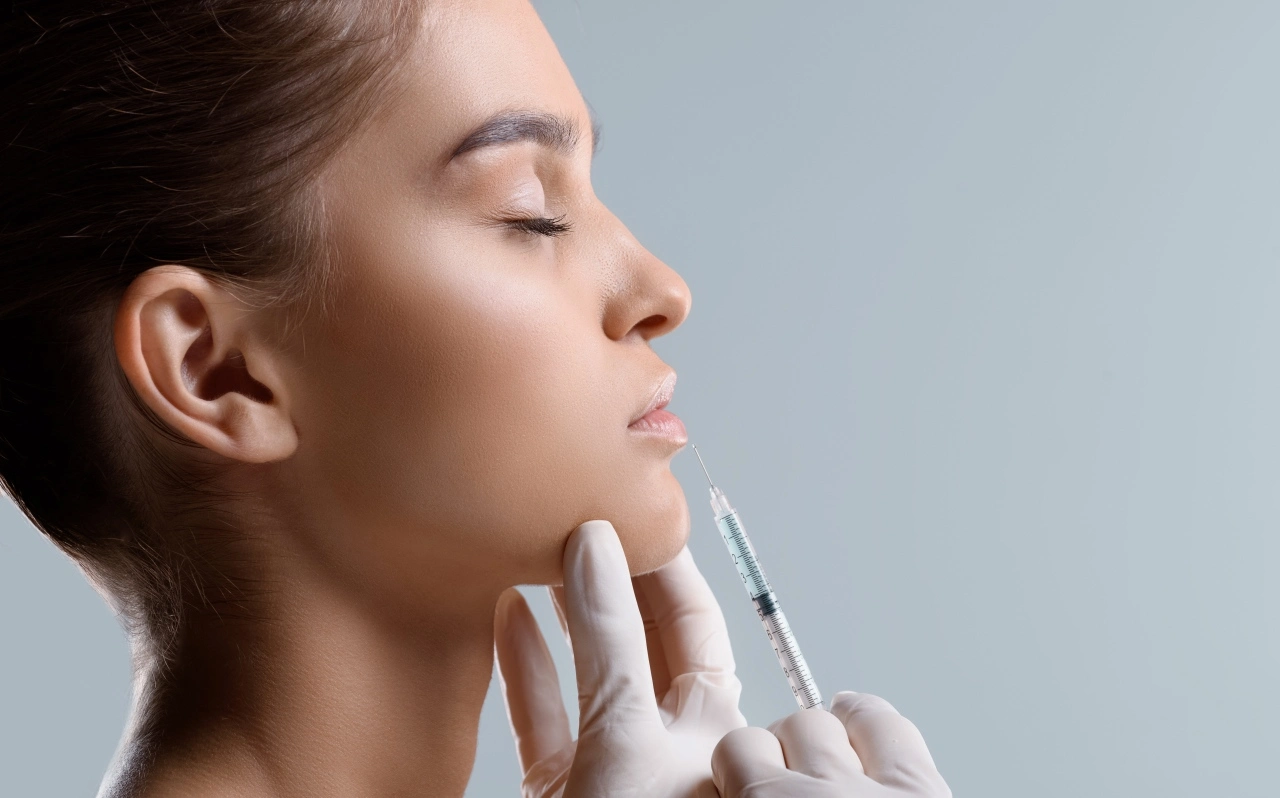
Botox – and similar neurotoxins like Dysport – are purified proteins that temporarily block the nerve signals telling specific muscles to contract. Repeated movements like frowning, squinting, or raising your eyebrows create “dynamic wrinkles” over time. When those muscles relax, the overlying skin smooths out, softening lines on the forehead, between the brows, and around the eyes.
At James Christian Cosmetics, our aesthetic team tailors placement to your natural expressions so your face still looks like you – just more relaxed and refreshed. Because the effect is temporary, results typically last 3-4 months before the muscles slowly begin moving again.
There are no immediate negative effects when you stop Botox. The process is not sudden – you will not wake up with all your previous lines returned overnight.
Instead, over several weeks the treated muscles slowly regain their full range of motion. This typically begins around 3-4 months after your last injection. You may first notice a subtle ability to frown or raise your eyebrows more expressively than before. This is completely normal and simply means the product is wearing off as designed.
Knowing what happens if you stop getting Botox helps set realistic expectations. Here’s how the process usually unfolds – gradually returning you to your baseline.
The most noticeable change is that your dynamic wrinkles slowly reappear. As the targeted muscles regain their ability to contract, the lines you make when you squint, smile, or frown become visible again – usually around the three-to-four-month mark. Importantly, these wrinkles return to their original depth, not deeper. The idea that wrinkles come back worse is a myth.
You will regain the full range of motion in your facial muscles. The feeling of a “frozen” forehead disappears, and you’ll be able to furrow and raise your brows fully once more. This return of muscle function is what allows expression lines to slowly form again with everyday movement.
This is one of the biggest concerns people have, so let’s be clear: stopping Botox does not make your skin age faster. Botox does not stretch or damage the skin. By preventing repetitive contractions, regular treatments give your skin a “vacation” from creasing. When you stop, you simply un-pause this process – your skin continues aging at its natural pace, not faster to “catch up.”
For those who have used Botox for years, the long-term picture is worth understanding – and it can have a lasting, positive impact even after treatment ends.
People who have received consistent Botox treatments over many years often find their wrinkles are less pronounced even after they stop. Because the muscles were trained to move less, the skin had fewer chances to crease. When you stop after long-term use, lines may return more slowly and appear softer than they would have if you’d never had treatment. Individual results vary, but many long-term patients notice this gentle, lasting benefit.
One of the biggest advantages of long-term Botox use is prevention. By keeping muscles relaxed, you prevent deep-set, static wrinkles (lines visible even at rest) from forming. These preventive benefits last as long as treatment continues, plus a bit of carryover from reduced muscle activity. This is why some patients choose to continue on a lighter, less frequent schedule rather than stopping entirely. Our team can help you plan a maintenance approach – whether that’s continuing, tapering, or pausing.
It’s important not to confuse Botox with dermal fillers like Juvederm or Sculptra, because they behave very differently when you stop.
Botox relaxes muscles to smooth expression lines. When it wears off, muscle movement – and the related wrinkles – simply return to normal.
Fillers add volume beneath the skin to plump areas like the cheeks, lips, or chin. When you stop, the product gradually breaks down and is absorbed by your body, and the treated area slowly returns to its previous volume. Some fillers, like biostimulators (such as Sculptra), encourage your own collagen, so results can linger longer even after you stop.
The key takeaway: with both Botox and fillers, stopping simply means returning to your natural starting point – not a worse version of it. At James Christian Cosmetics, we often combine these treatments for comprehensive facial rejuvenation. Whether you prefer Botox, fillers, or a combination, our team can guide you toward the option that suits your face.
So, what happens if you stop getting Botox? Your muscles and wrinkles gradually return to their natural state, and your skin continues aging at its normal pace. There are no negative effects, and years of consistent treatment may even leave your lines softer than before.
About the Author
TIMELESS RESULTS,
NEW YOU
James Christian
Discover other insightful and engaging content from our blog

NYC Offices
Miami Offices