

NYC Offices
Miami Offices
Peptides are short chains of amino acids that act as essential building blocks in the body, playing a vital role in many biological functions such as cell signaling, tissue repair, and overall wellness. Whether naturally occurring or synthetically created, peptides are fundamental components in skin health, cosmetics, and medical research. Understanding what peptides are, how they work, and their benefits can help you make informed decisions about incorporating them into your wellness or skincare routine.
Peptides are molecules made up of two or more amino acids linked together in a specific sequence by peptide bonds. They are smaller than proteins but larger than individual amino acids. Peptides serve as messengers within the body, sending signals to cells that help regulate various physiological processes, including skin elasticity, collagen production, and immune response.
Peptides can be found naturally in the body, in foods, and can also be synthesized in laboratories for use in supplements, medications, and skincare products. Their versatility and specificity make them valuable in both health and cosmetic applications.
Amino acids are often called the "building blocks of life." When two or more amino acids join together through a chemical bond known as a peptide bond, they form a peptide. The number and sequence of amino acids determine the function of each peptide. For instance, some act as hormones, while others serve as neurotransmitters or structural elements within tissues.
There are 20 standard amino acids, and the arrangement of these within a peptide influences its biological activity. When just a few amino acids are linked, you have a peptide. When hundreds or thousands are chained together, they form a protein.
Although both peptides and proteins are composed of amino acids, the primary difference lies in their size and complexity. Peptides are typically made up of 2 to 50 amino acids, whereas proteins are much larger, often containing hundreds or even thousands of amino acids.
This size difference is not just academic; it impacts their biological role. Peptides can easily penetrate the skin and cellular barriers, making them ideal for targeted therapies and skincare applications. Proteins, due to their size, may not be as readily absorbed.
| Characteristic | Peptides | Proteins |
|---|---|---|
| Size | 2–50 amino acids | 50+ amino acids |
| Structure | Simple chains | Complex folding |
| Function | Signaling, regulatory | Structural, enzymatic, etc. |
| Absorption | Easily absorbed | Less easily absorbed |
{image}
There are hundreds of different peptides found throughout nature and in the human body, each with unique functions. Some of the most commonly discussed types include:
Each type of peptide can be harnessed for specific health, cosmetic, or therapeutic purposes. For example, signal peptides are frequently used in skin treatments to boost collagen and elastin for firmer, more youthful skin.
{image}
Peptides function primarily as biological messengers. Once released, they interact with specific receptors on the surface of cells, triggering a cascade of responses. These can include:
Because of their small size, peptides can easily penetrate tissues and target specific cells, making them highly effective in both medical and cosmetic applications. For example, peptides used in injectable treatments or topical skincare can deliver targeted benefits with minimal side effects.
Peptides continue to be a major focus of research in regenerative medicine, anti-aging, and chronic disease management. Their ability to modulate biological processes with precision makes them valuable tools in both preventative care and active treatment.
Peptides have gained popularity in both the health and beauty industries due to their wide-ranging effects and versatility.
Peptides are widely used in skincare products and cosmetic treatments for their rejuvenating effects:
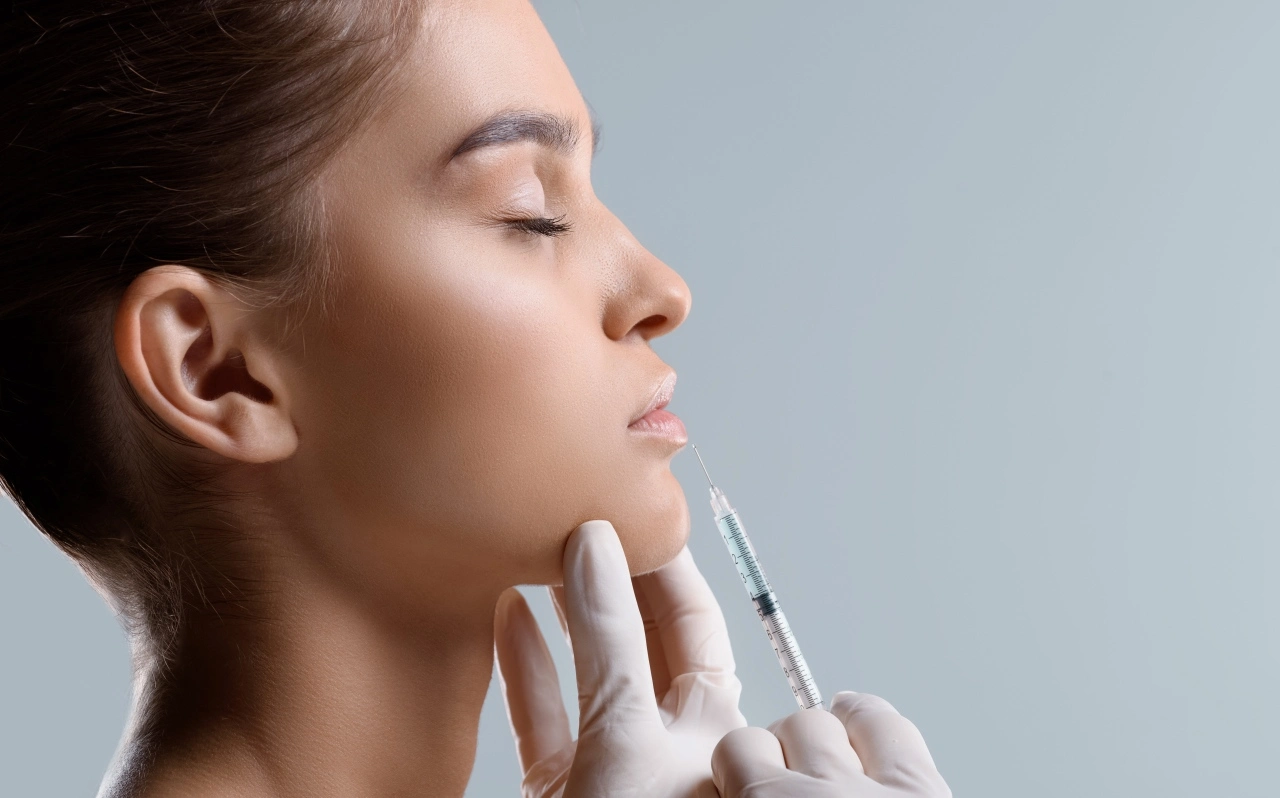
In clinical settings, peptides are often paired with other advanced treatments. For instance, they may complement procedures like Dermapen or injectable products such as dermal fillers to enhance outcomes.
{image}
Peptides play an indispensable role in maintaining the body’s structure, function, and appearance. Their importance stems from their ability to:
Thanks to ongoing research, the list of benefits associated with peptides continues to grow. They remain at the forefront of innovation in both injectables and non-invasive wellness approaches.
Peptides are generally considered safe for most people when used as directed—whether in topical skincare products, injectables, or as part of a wellness regimen. However, several considerations are important:
When considering peptide-based treatments, look for providers and products that prioritize clinical evidence and patient safety.
In summary, peptides are short chains of amino acids that play a crucial role in numerous biological and cosmetic processes. From boosting collagen and promoting youthful skin, to supporting muscle growth and immune health, peptides are versatile and powerful tools in both wellness and aesthetics. Understanding what peptides are and how they work can help you harness their benefits with confidence and safety.

October 24, 2025
Discover other insightful and engaging content from our blog


NYC Offices
Miami Offices