
What Is Botox and How Does It Work?
Botox is a purified protein derived from botulinum toxin that temporarily relaxes targeted muscles, effectively smoothing dynamic wrinkles and fine lines for a rejuvenated, more youthful appearance. This popular injectable treatment works by blocking nerve signals to the muscles responsible for facial expressions, preventing them from contracting and causing visible lines. In the following sections, we’ll explore in detail what Botox is, how it functions on a biological level, and what you can expect from the treatment process.
What Is Botox and How Does It Work?
Botox, the most recognized brand name for botulinum toxin type A, is an FDA-approved injectable treatment primarily used to reduce the appearance of facial wrinkles. The substance itself is derived from a naturally occurring bacterium, Clostridium botulinum. When used in cosmetic medicine, Botox is meticulously purified and administered in extremely small, safe doses to treat specific areas of the face.
At its core, Botox is composed of botulinum toxin type A, a highly refined neurotoxic protein. In the medical and cosmetic setting, this toxin is purified under stringent laboratory conditions to ensure both safety and efficacy. The final product is a sterile, vacuum-dried powder that is reconstituted with saline before being injected. The formulation also contains inactive ingredients such as human serum albumin and sodium chloride, which stabilize the solution. This allows Botox to safely and effectively target only the muscles responsible for unwanted lines and wrinkles.
In addition to its widespread use for aesthetic enhancements, Botox has medical applications for conditions like chronic migraines, excessive sweating (hyperhidrosis), and certain muscle disorders. However, its leading popularity stems from its remarkable ability to diminish dynamic wrinkles—those caused by repeated facial movements such as frowning, squinting, and smiling.
To learn more about advanced injectables, visit the Botox.
How Does Botox Work?
Understanding "What Is Botox and How Does It Work?" means delving into the science behind its wrinkle-reducing effects.
Wrinkles develop over time as a result of repeated facial movements—like frowning, smiling, or raising your eyebrows. These dynamic wrinkles, including crow’s feet, forehead lines, and glabellar lines (“11s” between the brows), become more pronounced with age as skin loses its elasticity.
Botox addresses these lines by temporarily relaxing the underlying muscles. When injected into targeted areas, it prevents the muscles from contracting as strongly as before. As a result, the overlying skin remains smoother and more relaxed, softening the appearance of existing wrinkles and helping prevent the formation of new ones.
The key to understanding "What Is Botox and How Does It Work?" lies in its mechanism of action at the neuromuscular junction—the point where nerves communicate with muscles. Normally, nerves release a neurotransmitter called acetylcholine, which binds to receptors on muscle cells and triggers contraction. Botox works by blocking the release of acetylcholine at the nerve endings. Without this chemical signal, the muscle remains in a relaxed state and cannot contract forcefully. This effect is highly localized, only impacting the specific muscles into which Botox is injected. The result is a temporary reduction in muscle activity, leading to visibly smoother skin.
This process is not permanent; over time, the nerve endings regenerate, and muscle activity gradually returns. Most people notice results within three to five days after treatment, with full effects visible at about two weeks. The smoothing effects typically last three to four months, after which repeat treatments are needed to maintain the desired appearance.
For more details about aesthetic treatments, explore the skin treatments page.
What to Expect During Botox Treatment
While the science behind "What Is Botox and How Does It Work?" is fascinating, many people are equally interested in what the treatment experience is like. Botox injections are a minimally invasive, outpatient procedure that requires little to no downtime.
Before receiving Botox, you’ll typically have a consultation to discuss your goals, facial anatomy, and any questions you may have. During the appointment, the provider will identify the precise muscles responsible for your wrinkles and mark the injection sites. These locations are carefully chosen to achieve natural-looking results while preserving your unique facial expressions.
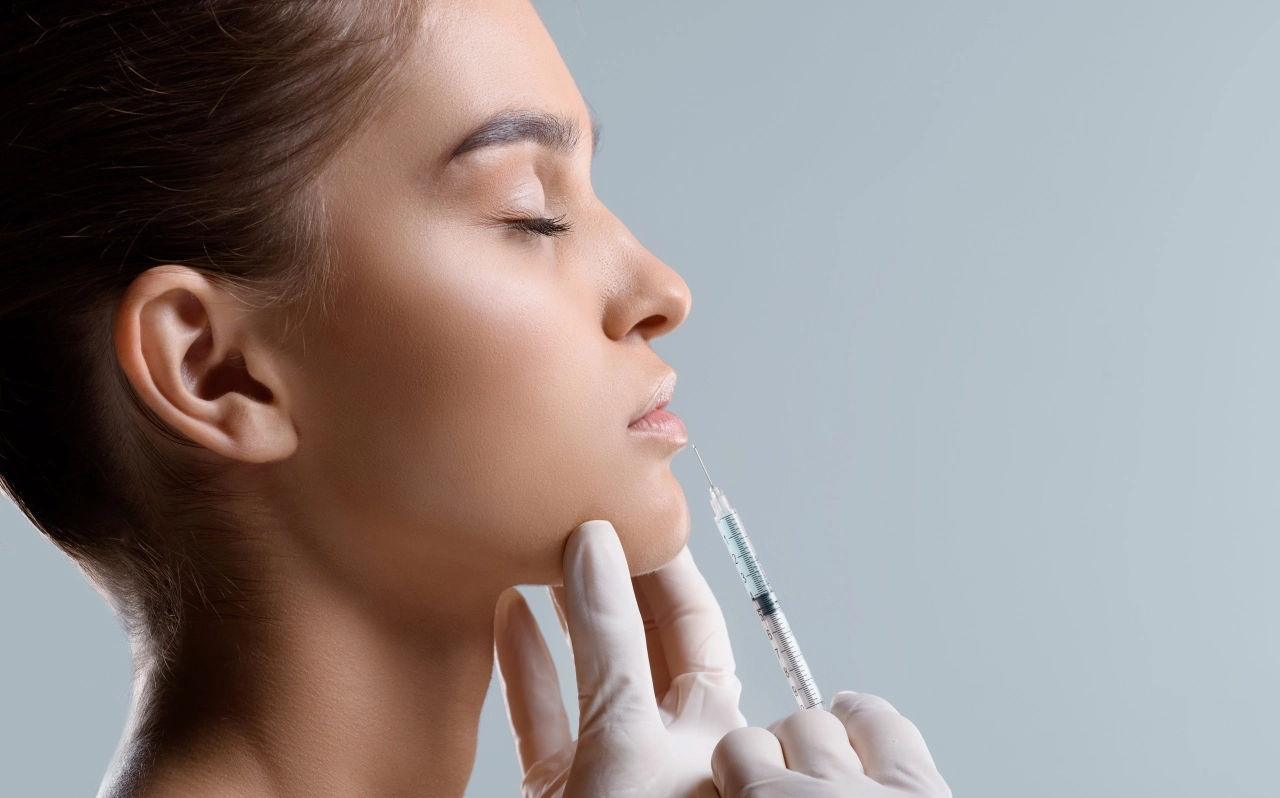
A very fine needle is used to inject small amounts of Botox into the targeted muscles. The injections themselves are quick and generally well tolerated; most people describe only mild discomfort, often compared to a pinprick. Because no anesthesia or incisions are required, you can return to most normal activities immediately after your session.
Results begin to appear within a few days, with the full effect visible at two weeks. Minor redness or swelling at the injection sites may occur temporarily but typically resolves within hours. Aftercare instructions are usually minimal—patients are often advised to avoid rubbing the treated areas or lying down for several hours post-treatment.
If you’re interested in complementary treatments, such as dermal fillers or Restylane Lyft, these can be discussed during your consultation as well.
Conclusion
What Is Botox and How Does It Work? At its core, Botox is a purified protein that safely and temporarily relaxes targeted facial muscles, resulting in smoother, younger-looking skin. By blocking nerve signals that cause muscle contractions, Botox effectively softens dynamic wrinkles and helps prevent new ones from forming. With a proven safety record and minimal downtime, Botox remains a leading choice for those seeking non-surgical facial rejuvenation.
TIMELESS RESULTS,
NEW YOU

By Dr. James Christian
October 24, 2025
Explore More Blogs
Discover other insightful and engaging content from our blog